The Setup
By autumn 1814, Napoleon was on Elba and Europe was in pieces. The man who had visited Moet’s cellars before every military campaign was gone, and twenty-three years of revolutionary and Napoleonic wars had redrawn every border on the continent. Someone had to put it back together — or, more accurately, put it together in a way that suited the victors.
The Congress of Vienna was supposed to be a diplomatic conference. It became the most extravagant party in the history of Western civilization.
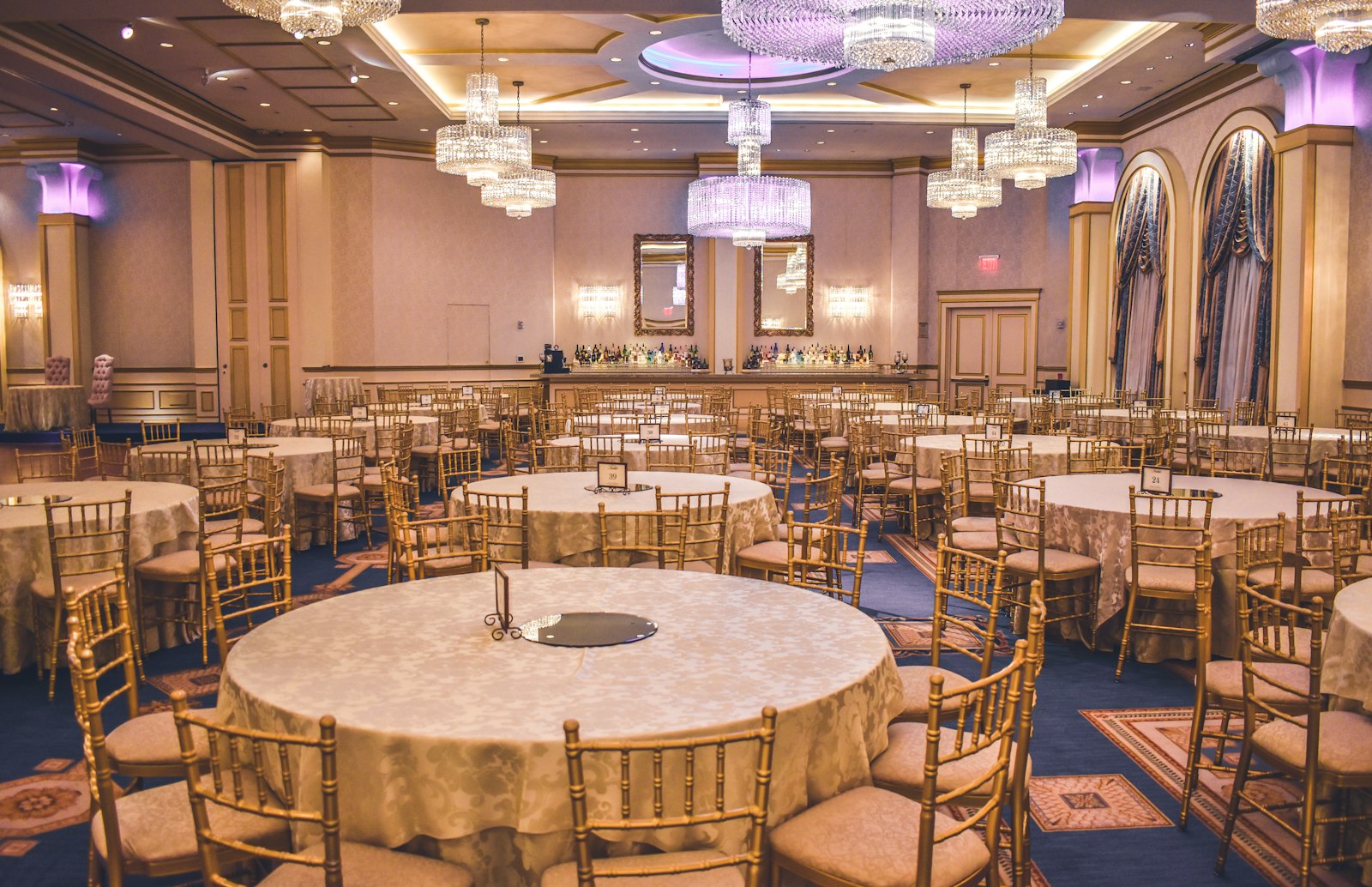
Over 700 envoys and their entourages descended on Vienna, swelling the city’s population by a third. The Russian Tsar, the Kings of Prussia, Denmark, Bavaria, and Wurttemberg all moved into the Hofburg Palace. Austria’s Emperor Franz I played host — and he took the role seriously. Too seriously, his accountants might have argued.
The Numbers
How much did the Congress of Vienna cost per day?
The imperial table cost 50,000 florins per day. Over five months, total entertainment expenses reached 40 million francs — a figure that would comfortably fund a small war, which was ironic given that the whole point was to prevent the next one.
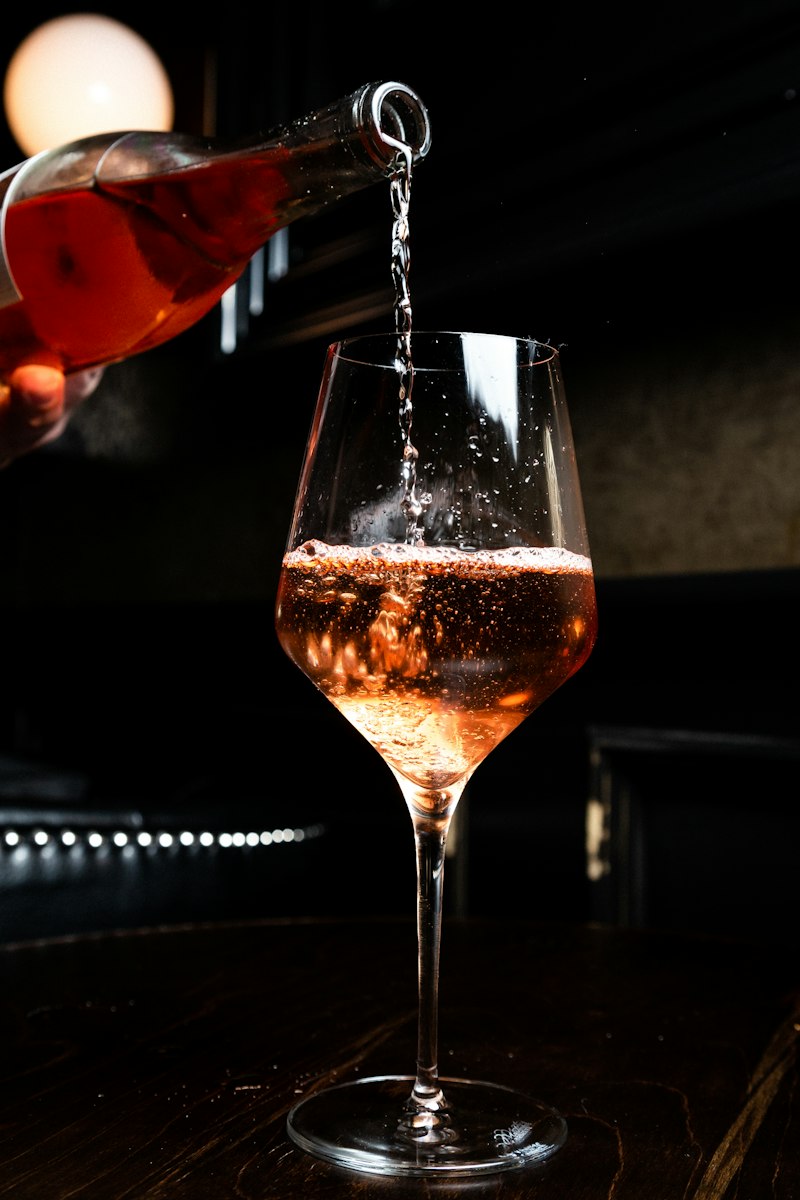
One hundred and seventy new imperial carriages were built for the occasion. Thousands of new uniforms were manufactured for expanded staff. The kitchens operated around the clock. And through it all, champagne flowed with a consistency that suggested the organizers feared sobriety more than Napoleon.
Prince Charles de Ligne, observing the spectacle, delivered the line that history remembered: “Le Congres ne marche pas, il danse” — The Congress does not go forward, it dances.
He was not being complimentary.
The Evenings
Every night brought a new event. Masked balls. State dinners. Theater performances. Concerts. The scale was relentless — as if the diplomats feared that a single quiet evening might force them to actually make a decision.
In January 1815, the hosts organized a Grand Sleigh Party. Over thirty sleighs paraded through the snow-covered streets, led by an enormous sleigh containing a full orchestra. Guests watched ice skaters performing in elaborate costumes of Northern Europe, followed by yet another ball before returning to Vienna by torchlight.
Contemporary accounts repeatedly mention the same detail: “amidst the general animation produced by the champagne.” It was less a diplomatic observation and more a weather report — champagne was the atmosphere in which the Congress existed.
The waltz, which had been considered somewhat scandalous, became the dominant dance form during these months. Vienna’s reputation as the ballroom capital of Europe was born at the Congress, and the “waltz-mania” that gripped the assembled royalty spread across the continent when they eventually went home.
The Diplomats
The real work — such as it was — happened in smaller rooms, usually after the dancing. Metternich, Austria’s foreign minister, was the architect. Talleyrand, representing defeated France, was the survivor. Castlereagh represented Britain. Tsar Alexander I represented Russia and his own considerable ego.
Their task was genuinely enormous: redraw the map of Europe after the most disruptive period since the fall of Rome. The fact that they managed to create a territorial settlement that prevented a major European war for nearly a century (until 1914) is remarkable. The fact that they did it while attending a party every single night is almost unbelievable.
Talleyrand, who had served every French government from Louis XVI through Napoleon and would serve several more, used the social calendar strategically. A man who understood that power was exercised in ballrooms as much as in conference rooms, he made sure France — the defeated nation — was included in every social event, gradually restoring French influence through charm, wine, and the careful deployment of conversation.
The Interruption
What happened when Napoleon escaped from Elba during the Congress?
On March 7, 1815, Metternich was awakened at 6 AM with a dispatch: Napoleon had escaped from Elba.
The party stopped. The Congress, which had been dancing for five months, suddenly had to work. Within weeks, the allies had assembled armies. Within three months, Napoleon was defeated at Waterloo. Within four months, he was on St. Helena — a rock in the South Atlantic from which there would be no second escape.
The Congress resumed its final negotiations and signed the Final Act on June 9, 1815. The borders they drew — Belgium separated from the Netherlands, the German Confederation established, Switzerland guaranteed neutral — would define Europe for the next century.
The Legacy
Why was the Congress of Vienna important for European peace?
The Congress of Vienna created the Concert of Europe, a system of great-power diplomacy that kept the peace through balance rather than domination. It was imperfect, it ignored popular sovereignty, and it suppressed nationalism across the continent. But it worked — no general European war for 99 years, until the system finally collapsed in 1914.
The champagne connection is not a footnote — it’s part of a centuries-long pattern of champagne shaping world power. The social dimension of the Congress was integral to its success. These were people who had been at war for a generation. They needed to rebuild personal relationships across national lines, and the relentless schedule of balls, dinners, and entertainments provided the informal space where trust could be rebuilt.
Metternich understood this. The parties weren’t a distraction from diplomacy — they were diplomacy, conducted in waltz time with champagne in hand.
Visit the Sites
The Hofburg Palace in central Vienna — where the Congress took place — is open to the public and includes the Imperial Apartments, the Sisi Museum, and the Silver Collection (which displays some of the extravagant tableware used during the Congress era). The Spanish Riding School, which performed for Congress guests, still operates in the same building.
Schonbrunn Palace, the Habsburg summer residence where many Congress events were held, is a UNESCO World Heritage site and Vienna’s most-visited attraction. The palace gardens, where Congress guests walked between events, are free to enter.
For the champagne connection, Vienna’s Heurigen — traditional wine taverns in the outer districts — descend from the same Viennese wine culture that supplied the Congress. Grinzing and Nussdorf have the highest concentration, and the tradition of local winemakers selling their own wine directly to customers dates to Habsburg-era regulations.
The Congress of Vienna proves that sometimes the most consequential work in history gets done at parties. It also proves that if you’re going to spend 40 million francs, you should at least get a century of peace out of it.
FAQ
How much did the Congress of Vienna cost?
The imperial table alone cost 50,000 florins per day, and total entertainment expenses over five months reached 40 million francs — enough to comfortably fund a small war, which was ironic given the whole point was to prevent the next one. Emperor Franz I of Austria built 170 new imperial carriages, manufactured thousands of new uniforms, and ran the kitchens around the clock. The city’s population swelled by a third as over 700 envoys and their entourages descended on Vienna. Prince Charles de Ligne captured the extravagance perfectly: “The Congress does not go forward, it dances.”
What did the Congress of Vienna achieve?
The Congress created the Concert of Europe, a system of great-power diplomacy that prevented a general European war for 99 years — from 1815 until the system collapsed in 1914. In practical terms, the diplomats separated Belgium from the Netherlands, established the German Confederation, and guaranteed Swiss neutrality. These borders defined Europe for a century. The social dimension was integral to the success: after a generation of war, the relentless schedule of balls and dinners provided informal space where personal trust could be rebuilt across national lines. Metternich understood the parties weren’t a distraction from diplomacy — they were diplomacy in waltz time.
How long did the Congress of Vienna last?
The Congress ran for roughly five months, from autumn 1814 until June 1815, though it was dramatically interrupted in March when Napoleon escaped from Elba. Every night brought a new event — masked balls, state dinners, theater performances, concerts, and even a Grand Sleigh Party with thirty sleighs and a full orchestra. The actual diplomatic work happened in smaller rooms after the dancing. The Final Act was signed on June 9, 1815, just nine days before Napoleon’s defeat at Waterloo ended his Hundred Days comeback for good.
Can you visit the Congress of Vienna sites?
The Hofburg Palace in central Vienna — where the Congress took place — is open to the public with the Imperial Apartments, Sisi Museum, and Silver Collection displaying extravagant tableware from the Congress era. The Spanish Riding School, which performed for Congress guests, still operates in the same building. Schonbrunn Palace, where many Congress events were held, is a UNESCO World Heritage site and Vienna’s most-visited attraction — the gardens are free to enter. For the wine connection, Vienna’s Heurigen (traditional wine taverns) in Grinzing and Nussdorf descend from the same Viennese wine culture that supplied the Congress.
The Congress of Vienna is one of 12 moments champagne changed history. Napoleon’s personal relationship with champagne — including visiting Moet before every military campaign — is told in Napoleon & Moet: The Secret History. The full timeline from Sumerian beer to Baltic shipwrecks is in The Complete History of Champagne.
Sources: Smithsonian Magazine — “The Congress of Vienna and the Remaking of Europe”, UNESCO World Heritage — Schonbrunn Palace, Austrian National Library — Congress of Vienna Archives, [Brian Vick, “The Congress of Vienna: Power and Politics after Napoleon” (Harvard University Press, 2014)], Wien.info — Hofburg Palace Official Guide. Continue the journey through champagne’s role in world politics with our Champagne Odyssey trail.